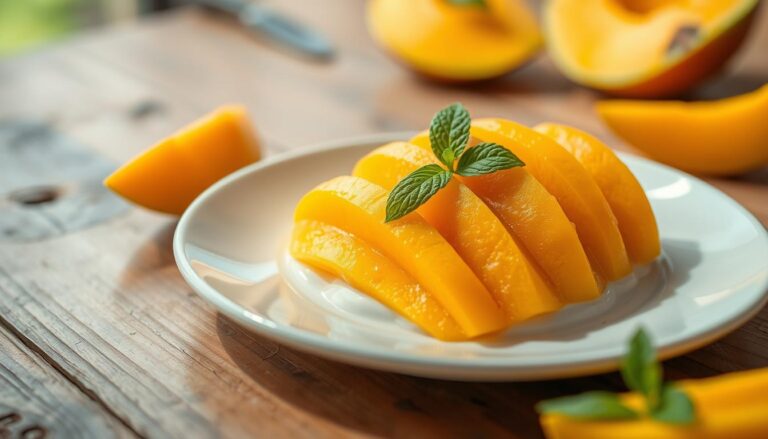

Discover Delicious Asian Dessert Options – Ingredients
Table of Contents
Did you know that Asian desserts make up over 60% of the world’s most creative sweets? Your adventure into exotic Asian desserts starts here. Premium Asian ingredients are ready to turn your kitchen into a global food experience.
From Japan’s delicate mochi to the Middle East’s syrup-soaked pastries, Asian desserts are full of unique flavors. Now, you can easily order Asian dessert supplies. This brings authentic tastes right to your home.
Each Asian region adds its own twist to desserts. East Asia offers refined sweetness, while Southeast Asia is known for tropical coconut and pandan flavors. South Asia delights with bold cardamom and saffron, and West Asia charms with rosewater and pistachio.
Starting your culinary journey means understanding these premium ingredients. They create different taste experiences. Ingredients like glutinous rice flour, sweet bean pastes, and aromatic flavorings will change how you make desserts.
Ready to start? Order your first batch of authentic ingredients. Begin your delicious journey through the diverse world of Asian desserts today!
Why Asian Desserts Deserve a Place in Your Kitchen
Exploring traditional Asian sweets is a journey into a world of flavors beyond Western desserts. These treats offer more than sweetness. They bring a rich cultural experience with unique tastes and health benefits.
Asian desserts are known for their versatility and health benefits. Unlike heavy Western sweets, they use ingredients that are good for you. These include:
- Red beans: High in protein and fiber
- Sesame seeds: Rich in healthy fats
- Matcha: Loaded with antioxidants
- Rice-based ingredients: Naturally gluten-free
Adding Asian desserts to your cooking can boost your health. They are made to taste great and support your well-being. This shows the wisdom of traditional cooking.
| Ingredient | Nutritional Benefit | Common Use |
|---|---|---|
| Red Bean | High Protein | Soups, Pastries |
| Matcha | Antioxidants | Cakes, Ice Cream |
| Sesame | Healthy Fats | Cookies, Rolls |
Trying these desserts is more than just making a sweet treat. It’s a way to connect with thousands of years of culture. Your kitchen becomes a doorway to experiencing the world through food.
Traditional Ingredients That Define Asian Sweet Treats
Making flavorful asian pastries means knowing the special baking supplies. These ingredients are key to creating amazing desserts. They turn simple recipes into cultural treasures.
Discovering these ingredients opens a door to sweet delights. They take your taste buds on a journey through Asian traditions.
Glutinous Rice Flour and Sweet Bean Pastes
Rice flour is a must in many Asian desserts. The glutinous type gives them a chewy texture. Sweet bean pastes, like red bean and lotus seed, add deep flavors.
- Red Bean Paste: Smooth, subtly sweet filling for pastries
- Lotus Seed Paste: Delicate, creamy texture perfect for mooncakes
- Glutinous rice flour: Creates tender, soft dessert bases
Matcha Powder Grades for Your Baking Needs
Matcha is more than a trend. It comes in different grades for unique flavors. Culinary-grade matcha adds a real green tea taste to your desserts.
Aromatic Additions Like Rose Water and Pandan
Fragrant ingredients make desserts special. Rose water and pandan add complex, subtle notes. They turn ordinary pastries into unforgettable treats.
Pro tip: Start with small quantities of these distinctive ingredients to understand their unique flavor profiles.
Exploring Asian Desserts by Region
Asian desserts take you on a journey through different culinary worlds. Each area has its own flavors, ingredients, and ways of cooking. This makes unique asian cakes and regional desserts truly special. Let’s dive into the sweet delights from across Asia.
East Asian sweets are known for their elegance and precision. In places like Japan and China, you’ll find:
- Delicate rice-based treats
- Subtle flavor profiles
- Seasonal ingredient celebrations
- Intricate presentation techniques
Southeast Asian treats are full of tropical flavors. They use ingredients like:
- Fresh coconut
- Pandan leaves
- Palm sugar
- Ripe mangoes
Every region has its own dessert story. From Japan’s mochi to Malaysia’s kuih, these desserts show off local traditions and ingredients.
Exploring desserts can take you on a trip across Asia, all from your kitchen. Knowing about these differences helps you pick the right ingredients. This way, you can make desserts that truly capture the essence of Asia.
Essential Ingredients You Can Order Today for Authentic Flavors
Make your kitchen a place for tasty Asian treats by getting the right ingredients. Now, you can easily buy these online and make real dessert supplies at home.

Finding the right Asian baking ingredients can be tough. But, many online stores now offer top-notch ingredients right to your door.
Where to Find Quality Culinary Matcha
Matcha is key in Japanese desserts. Here are the best places to find it:
- Specialty tea websites like Ippodo Tea
- Asian grocery platforms such as Weee!
- Amazon’s curated Japanese ingredient selections
Sourcing Red Bean Paste and Lotus Seed Paste
Red bean and lotus seed pastes are crucial for many Asian sweets. Find them on:
- H Mart online marketplace
- 99 Ranch Market’s digital store
- Specialized Asian baking ingredient websites
Getting Fresh Coconut Cream and Palm Sugar Delivered
For the best taste, choose fresh ingredients. Many online stores now offer:
- Vacuum-sealed coconut cream
- Organic palm sugar from Southeast Asian producers
- Bulk purchasing options for frequent bakers
“The right ingredients transform home baking from good to extraordinary.” – Professional Pastry Chef
Investing in quality ingredients opens up a world of delicious Asian desserts. It brings professional taste to your kitchen.
Popular Chinese Desserts You Can Make at Home
Exploring traditional Chinese desserts opens a world of flavors and textures. It can change your home cooking. These Asian treats are perfect for all skill levels, from beginners to experts.
Begin your cooking adventure with these classic Chinese sweets. They are tasty and easy to make:
- Sesame Balls (Jian Dui) – Crispy glutinous rice flour balls covered in sesame seeds
- Mooncakes – Traditional festival treats filled with lotus seed or red bean paste
- Egg Tarts (Dan Ta) – Flaky pastry shells with smooth egg custard
- Tangyuan – Sweet glutinous rice balls served in warm syrup
Each dessert has a story of cultural heritage. Mooncakes are tied to the Mid-Autumn Festival. Sesame balls bring good luck and prosperity. These recipes need just a few ingredients but offer great results.
Pro tip: Experiment with different fillings and techniques to make these desserts truly your own!
These Chinese dessert recipes will be your new favorites. They offer unique textures and flavors. They’ll take your taste buds to China’s heart.
Southeast Asian Sweet Treats Worth Trying
Southeast Asian desserts are full of tropical flavors. They capture the lively spirit of island cuisine. These traditional sweets offer a colorful and innovative journey in your kitchen.
The desserts in this region show a wide range of tastes and textures. Thai and Filipino sweets use unique ingredients that add excitement to cooking. From coconut-based treats to intricate Malaysian kuih, there’s something special for everyone.
Tropical Ingredients That Bring Vibrant Flavors
Discover the special ingredients in Southeast Asian desserts:
- Pandan leaves for natural green coloring
- Fresh coconut cream
- Palm sugar
- Exotic tropical fruits
- Glutinous rice flour
Coconut-Based Desserts for Every Occasion
Coconut makes simple ingredients into amazing treats. You’ll find desserts like:
- Mango sticky rice – A Thai classic with sweet rice and ripe mangoes
- Halo-halo – A Filipino shaved ice treat
- Es cendol – An Indonesian coconut milk dessert
These tropical desserts are more than just sweet treats. They are culinary adventures that bring Southeast Asian kitchens to your home.
South Asian Confections Rich in Tradition and Taste
Explore the world of South Asian confections. Here, popular treats share stories of culture and cooking skill. Indian sweets, or mithai, are more than just desserts. They show hospitality and joy.
Pakistani desserts and South Asian sweets have a special bond with old cooking ways. They turn simple things into amazing experiences. These sweets are known for their sweetness, spices, and detailed making.
- Key ingredients include ghee, cardamom, and saffron
- Popular desserts range from gulab jamun to barfi
- Each sweet carries cultural significance
Discovering South Asian desserts opens a world of tastes and textures. You’ll find everything from creamy treats to nut-filled sweets. These desserts offer a unique taste that connects you to long traditions.
| Dessert | Main Ingredients | Cultural Significance |
|---|---|---|
| Gulab Jamun | Milk solids, flour, sugar syrup | Festive celebrations |
| Barfi | Condensed milk, sugar, nuts | Wedding gifts |
| Kheer | Rice, milk, cardamom | Religious ceremonies |
Whether you love cooking or just enjoy trying new foods, mithai will take you to South Asia’s lively streets and cozy kitchens.
Middle Eastern Desserts with Fragrant Spices and Nuts
Middle Eastern sweets take you on a journey through centuries of rich tradition. These treats show the heart of hospitality and cultural heritage. They turn simple ingredients into amazing delights that excite our senses.
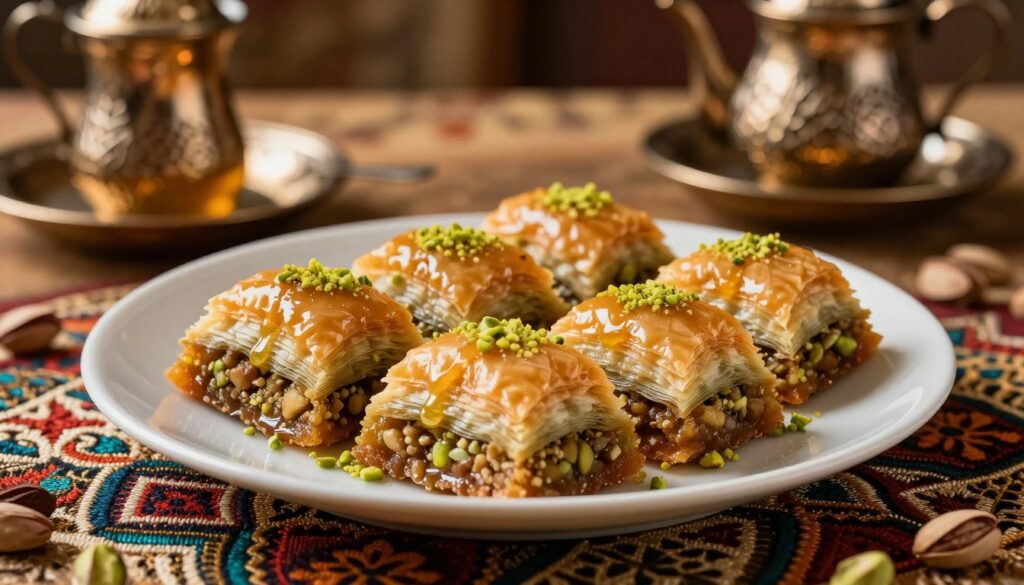
Exploring Turkish and Persian sweets opens a world of flavors and textures. The mix of sweet, nutty, and aromatic elements makes these desserts truly special.
The Role of Pistachios and Honey in West Asian Sweets
Nuts are key in Middle Eastern desserts, with pistachios being a standout. These green gems add depth and richness to many sweets:
- Baklava layered with crushed pistachios
- Kunafa topped with ground nuts
- Ma’amoul cookies filled with pistachio paste
Honey is a natural sweetener that makes pastries luxurious. Its complex flavor makes simple ingredients into amazing treats.
Rose Water and Orange Blossom Flavoring Essentials
Floral waters are the heart of Middle Eastern desserts. Rose water and orange blossom water add a sublime aroma. They take you to the sunny Mediterranean.
These delicate essences turn simple sweets into culinary wonders. They add a subtle, sophisticated touch that sets Middle Eastern sweets apart.
How to Stock Your Pantry for Asian Dessert Making
Creating an organized asian baking pantry makes dessert-making easier. Stocking the right ingredients helps you make delicious treats with confidence. How you store your ingredients is just as important.
Begin by sorting your ingredients into three main groups:
- Tier 1: Universal Essentials
- Glutinous rice flour
- Red bean paste
- Coconut cream
- Basic aromatics
- Tier 2: Regional Specialties
- Matcha powder
- Ghee
- Cardamom
- Tier 3: Specialty Ingredients
- Saffron
- Premium nuts
- Specific floral waters
Proper storage is key to keeping ingredients fresh. Store dry ingredients in airtight containers. Keep opened pastes in the fridge. Store spices in a cool, dark spot.
| Ingredient Category | Storage Location | Storage Container |
|---|---|---|
| Flours/Starches | Cool, dry place | Airtight container |
| Pastes | Refrigerator | Sealed jar |
| Nuts | Refrigerator/Freezer | Vacuum-sealed bag |
For those on a budget, start small. Focus on versatile, long-lasting items. Expand your collection as you try new recipes.
Conclusion
Your culinary adventure into authentic Asian sweets starts now. Exploring exotic Asian desserts is no longer a distant dream. It’s an experience waiting in your kitchen. With online dessert delivery and specialty ingredient stores, you can improve your cooking skills.
You’ll discover flavor combinations that will surprise and delight your taste buds. The journey of creating Asian desserts is about embracing new techniques and cultural traditions. When you order Asian ingredients, you’re unlocking a world of culinary heritage.
Each recipe represents generations of cooking wisdom. From delicate Japanese mochi to rich Malaysian kuih, you can experience it all in your own home. Start small and build your confidence.
Select a cuisine that intrigues you, gather essential ingredients, and commit to trying 2-3 beginner-friendly recipes. Remember, every skilled home cook began exactly where you are now. Your pantry is the first step toward creating memorable, delicious treats.
Embrace this delicious journey with an open mind. The world of Asian desserts is vast, nuanced, and incredibly rewarding. Your first sweet creation marks the beginning of a culinary exploration that connects you to rich global traditions. Order your ingredients today and let your adventure begin!