
Browse Nutritional Snack Ideas for Healthy Teens
Table of Contents
Imagine Sarah, a high school volleyball player. She had to balance school, sports, and a job. But then, she found the right nutritional snack ideas that boosted her energy.
Good nutritional snack ideas are key for teens. Almost 20% of American teens are overweight. Smart snacking helps keep them healthy. Every bite matters during these important growth years.
nutritional snack ideas aren’t just about counting calories. They give your body the fuel it needs. Whether you’re an athlete, student, or busy teen, picking the right snacks is vital. It affects your energy, growth, and health.
This guide will show you how to make smart snack choices. You’ll learn about nutrients and find tasty, healthy options. Snacking can become a powerful way to support your growth and well-being.
Why Smart Snacking Matters for Teen Health and Development
Your teenage years are key for growing and developing. Your body changes a lot, needing the right food to support these changes.
nutritional snack ideas are vital for your body’s growth. Studies show teens build about 40% of their adult bone mass during these years. Choosing the right foods is crucial.
Building Strong Bones During Critical Growth Years
Bones need certain nutrients to grow strong. These nutrients can be found in specific nutritional snack ideas. Your skeleton is building its foundation for life during these years.
- Calcium-rich snacks support bone density
- Vitamin D helps calcium absorption
- Protein contributes to bone matrix formation
Fueling Energy for School, Sports, and Activities
Teens need lots of energy for school, sports, and hanging out. Snacking wisely helps avoid energy crashes that can hurt performance.
| Activity | Energy Requirements | Recommended Snack |
|---|---|---|
| Morning Classes | Mental Focus | Protein + Complex Carbs |
| Afternoon Sports | Physical Stamina | Balanced Macronutrients |
| Evening Study | Sustained Concentration | Steady Energy Release |
The Academy of Nutrition and Dietetics suggests eating two to three mini-meals a day. These nutritional snack ideas fill important nutrient gaps and keep your energy up all day.
Essential Nutrients Teens Need in Their Snacks
Choosing the right snacks for teenagers is key. They need snacks that help them grow fast and stay healthy. These nutritional snack ideas should give them the energy they need for their bodies and minds.
Your teen’s snacks should aim for certain nutrients:
- Protein (3g+): Important for fixing muscles and growing tissues
- Fiber (2g+): Keeps the digestive system healthy and energy steady
- Healthy Fats: Helps feel full and supports brain work
nutritional snack ideas should be around 200 calories and full of nutrients. They should give energy that lasts without taking away from meals. Carbs are the main fuel, and protein helps muscles recover and grow.
Smart snacking isn’t about quantity—it’s about strategic nutrition.
When buying nutritional snack ideas, look for ones that have lots of nutrients. Your teen needs different nutrients to stay active, focused, and growing.
- Opt for snacks with fewer processed ingredients
- Go for whole foods
- Check labels for the nutrients your teen needs
Knowing these nutrition tips can make snack time better for your teenager’s health and growth.
Nutritional Snack Ideas for Active Teenagers
Teenage athletes need good nutrition to grow and perform well. Snacks that are both tasty and nutritious can boost energy and help muscles recover.
Choosing the right protein-rich snacks is key for teens. These snacks offer important nutrients for an active lifestyle.
Protein-Rich Options for Muscle Recovery
- Roasted chickpea pack (1 oz): 6g protein, 5g fiber
- Shelf-stable cheese stick: 7g protein, 15% daily calcium
- Tuna salad pouch with whole-grain crackers: 12g protein
- Greek yogurt parfait with berries and chia seeds
- Turkey and avocado roll-ups
Pro tip: Season roasted chickpeas with taco spice to make them more appealing to teens.
Fiber-Packed Choices for Lasting Energy
| Snack Option | Fiber Content | Additional Benefits |
|---|---|---|
| Whole-grain fig bar | 3g fiber | Quick energy boost |
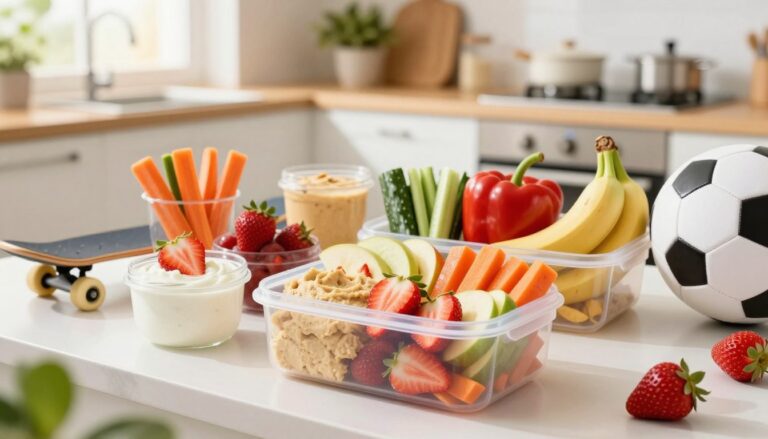
| DIY hummus veggie cups | 4-5g fiber | Nutrient-dense |
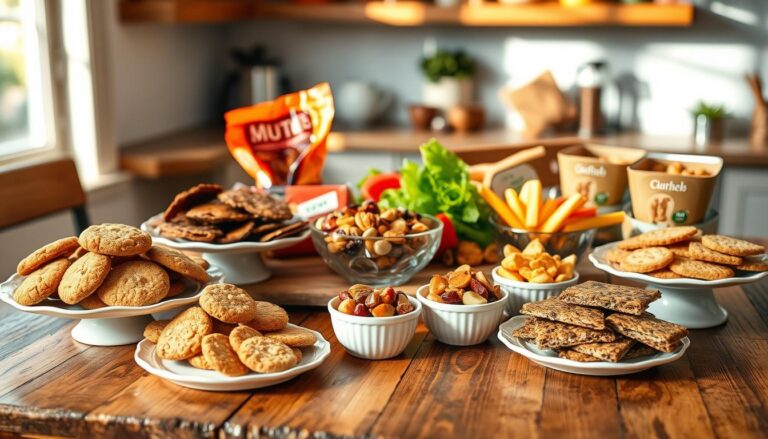
| Trail mix with nuts and dried fruit | 2-3g fiber | Sustained energy |
Remember to drink water with fiber-rich snacks to help digestion and maximize nutritional benefits.
Nut butters like peanut, almond, or soy nut butter are great for teens with different diets. Hardboiled eggs and cottage cheese with fruits are also good for extra protein.
Quick and Easy Portable Snacks for Busy Schedules
Teens with busy schedules need nutritional snack ideas that are quick, easy, and nutritious. The right snacks can keep them going all day. They help avoid energy crashes and keep them focused.
Here are some great gluten-free snack options that are easy to take on the go:
- Individual trail-mix tubes for pre-portioned protein and healthy fats
- Shelf-stable cheese sticks with a small freezer pack
- Whole-grain fig bars or rice crackers
- Tuna salad pouches with gluten-free crackers
- 100% fruit leather for easy transport
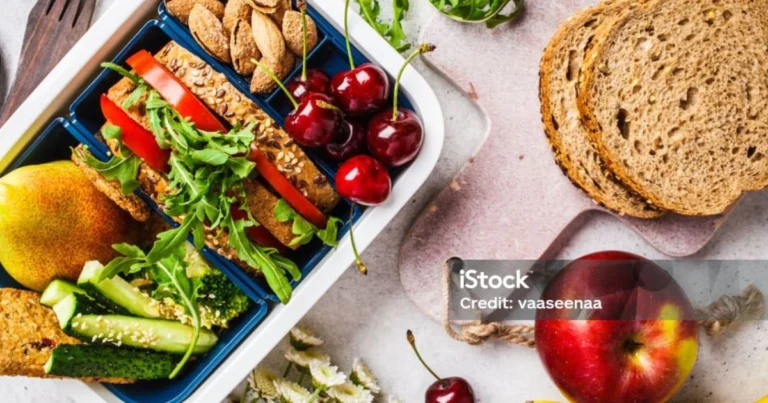
Fresh fruit is a top choice for quick snacks. It’s packed with nutrients and doesn’t need any prep:
- Bananas
- Apples
- Grapes
- Strawberries
- Orange slices
For teens with dietary needs, there are many gluten-free snack options. Try making fruit kabobs for a fun and healthy snack.
| Snack Category | Gluten-Free Options | Protein Content |
|---|---|---|
| Fruit | Bananas, Apples, Grapes | Low |
| Nuts/Seeds | Almonds, Pumpkin Seeds | High |
| Dairy | Cheese Sticks, Yogurt | Medium |
The best snacks are easy, nutritious, and tasty. Make these snacks ahead of time. They’ll help keep your teen energized and focused all day.
Pre-Workout and Post-Workout Snack Timing Strategies
Fueling your body at the right moments can boost athletic performance and recovery. Knowing when to eat protein-rich snacks is key for teen athletes aiming to reach their full potential.
Timing your nutrition is crucial, focusing on two key times: before and after exercise. Your body needs the right nutrients to keep energy up, muscles intact, and aid in recovery.
Carb-to-Protein Ratios for Optimal Performance
Before you hit the gym, choose your snacks wisely. Eat protein-rich foods about 30 minutes before, aiming for a 3:1 carb-to-protein ratio. This mix gives you quick energy and helps prevent muscle damage.
- Recommended pre-workout snacks:
- Banana with 1 tablespoon peanut butter
- Apple slices with Greek yogurt
- Small smoothie with fruit and protein powder
Recovery Window Nutrition Guidelines
The 45 minutes after exercise are your most important nutrition time. Your muscles are ready to soak up nutrients for repair and growth.
After working out, go for snacks with a 2:1 carb-to-protein ratio. Studies from the International Society of Sports Nutrition show teens who eat right after exercise can recover up to 15% faster.
- Top post-workout recovery options:
- Chocolate milk
- Half turkey sandwich
- Low-fat milk with fruit
Pro tip: Hydration matters too. Sports drinks are recommended only after 60 minutes of moderate physical activity.
Healthier Alternatives to Common Junk Food Choices

Changing your teen’s snacking habits doesn’t mean saying goodbye to all fun foods. You can find healthy snack options that are just as tasty and exciting.
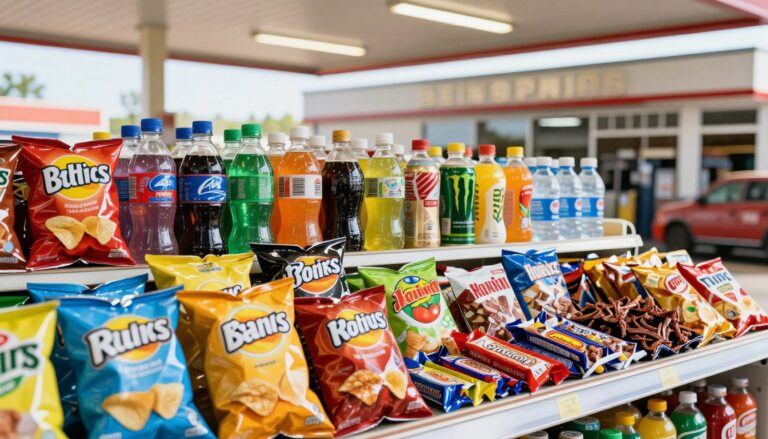
Teens often grab convenient processed snacks. But, making smart swaps can boost nutrition without losing flavor or satisfaction.
- Replace sugar-sweetened beverages with:
- Fat-free or low-fat milk
- 100% fruit juice
- Infused water
- Low-sodium vegetable juice
- Swap chips and crackers for:
- Unsalted nuts
- Whole-grain crackers
- Cheese sticks
- Fresh fruit slices
- Vegetable sticks with nut butter
Your choices can help teens build lifelong healthy eating habits. These nutritious options give them the vitamins, minerals, and energy they need.
| Junk Food | Healthy Alternative | Nutrition Benefit |
|---|---|---|
| Flavored yogurt cups | Plain yogurt with honey | Reduced sugar, increased protein |
| Fruit snacks | Fresh whole fruit | More fiber, natural vitamins |
| Veggie chips | Fresh carrot sticks | Real vegetables, fewer processed ingredients |
By choosing mindful healthy snack options, you support your teen’s nutritional needs. You also help them learn smart eating strategies.
Reading Nutrition Labels to Make Smarter Snack Decisions
Understanding nutrition labels can seem like solving a puzzle. It’s key when looking for healthy snack options. By learning to read labels, you can pick snacks that are good for your teen’s health and energy.
Identifying Hidden Sugars and Sodium
Sugar and sodium can hide in unexpected foods. You need to become a nutrition detective. Here are some tips to find hidden ingredients:
- Check Added Sugars line: Aim for less than 8 grams per serving
- Look for sugar aliases like corn syrup, dextrose, and maltose
- Sodium should be under 140 milligrams per serving
Understanding Ingredient Lists and Serving Sizes
Ingredient lists tell you what’s really in your snack. Companies use tricks to make products seem healthier. Keep these tips in mind:
- First ingredient should be a whole food (oats, nuts, fruit)
- Check serving sizes carefully – one package might contain multiple servings
- Target at least 2 grams of fiber and 3 grams of protein
Pro tip: The FDA has an interactive Nutrition Facts label tool. It helps you practice these skills. Soon, grocery shopping will feel easier and more confident.
Knowledge is power – especially when it comes to nutritional snack ideas for your teen’s health!
Hydration Tips Beyond Plain Water for Teen Athletes
Staying hydrated is key for teen athletes, but water isn’t enough. Your body needs more than just liquids to perform at its best. Healthy snacks can help keep you hydrated and energized all day.
Teens need 2.3 to 3.3 liters of fluid every day, based on how active they are. Dehydration can make you feel hungry, leading to snacking when you really need water.
- Infused Waters: Try flavors like cucumber-mint or strawberry-basil
- Low-Fat Milk: It’s hydrating and has a great carb-to-protein ratio
- Coconut Water: It’s a natural way to replace electrolytes (just watch for added sugars)
Stay away from energy drinks with too much caffeine. A 16-oz can can have over 200mg of caffeine, which can harm smaller teens’ hearts. Sports drinks are okay after 60 minutes of activity.
Water is still the best choice for staying hydrated. It’s cheap, easy to find, and great for growing bodies. Try different ways to stay hydrated to keep things fun and support your sports skills.
Weekly Meal Prep Ideas for Grab-and-Go Snacks
Changing your teen’s diet doesn’t have to be hard. Quick snacks are key for busy families wanting to eat healthy. Meal prep on Sunday can save time and keep your teen full all week.
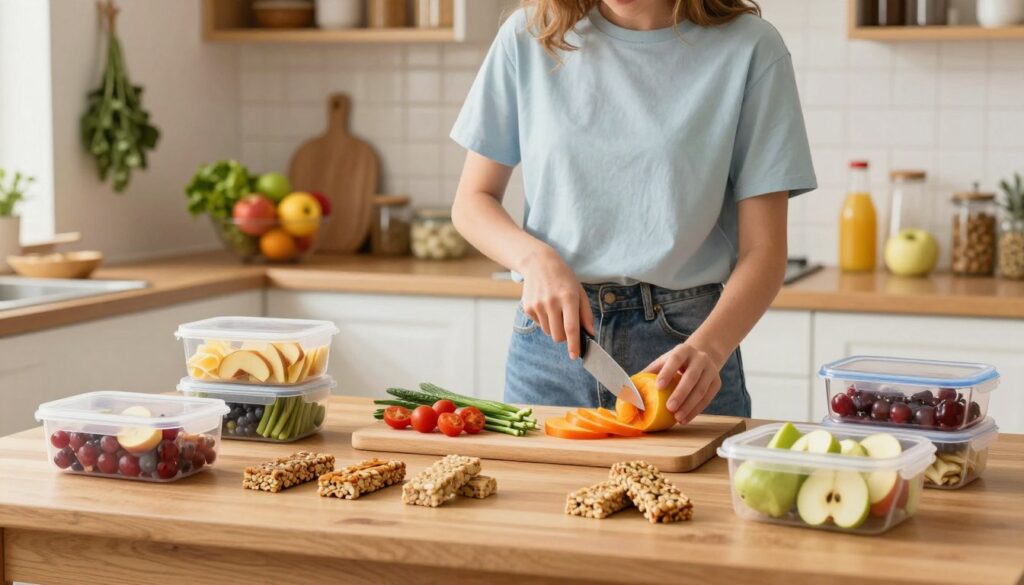
Prepping snacks ahead of time cuts down on weekday stress. It also lowers the chance of picking unhealthy foods. The goal is to make snacks both healthy and fun for teens.
Strategic Sunday Prep for School Week Success
Involve your teen in meal prep to make them more excited about healthy eating. Here are some ways to make snack prep fun and quick:
- Have your teen help cut fruits and veggies
- Make snack containers that are their own
- Prepare snacks in portions for easy grab-and-go
- Set up a special snack area in the fridge
Sample Weekly Snack Rotation
Having a variety of snacks keeps things interesting and ensures they get all the nutrients they need:
- Monday: Apple with cheese stick (school), yogurt parfait (after practice)
- Tuesday: Trail mix (school), hummus veggie cup (after activities)
- Wednesday: Fig bar with water, tuna and crackers
- Thursday: Greek yogurt pouch, smoothie pack
- Friday: Roasted chickpeas, turkey roll-ups
“Meal prep isn’t about perfection—it’s about making healthy eating accessible and enjoyable for teens.”
Here’s a tip for quick snacks: Make smoothie freezer packs with frozen spinach, banana, and protein powder. In the morning, blend with milk for a quick, nutritious drink that lasts all morning.
Budget-Friendly Shopping Tips for Nutritious Snacks
Eating healthy doesn’t have to cost a lot. Smart shoppers find tasty low-calorie snacks without spending too much. By using a few smart shopping tips, you can get nutritious snacks that are both affordable and delicious.
First, learn the layout of your local grocery store. The outer edges are where you’ll find fresh, affordable snacks. Here are some tips to help you save:
- Shop the store’s outer edges first, where fresh produce, dairy, and deli items are located
- Explore bulk bin sections for nuts and dried fruits
- Choose frozen fruits for longer-lasting, cost-effective options
- Compare unit prices instead of package sizes
Frozen fruits are a great choice for those watching their budget. They’re often cheaper than fresh produce, keep more vitamins, and are perfect for smoothies. Buying nuts or seeds in bulk is another way to save money.
Here are some tips for saving money on low-calorie snacks:
- Buy store-brand products
- Purchase produce in season
- Prep your own fruits and vegetables
- Keep a running grocery list to avoid impulse purchases
Healthy snacking doesn’t have to be pricey. With a bit of planning and smart shopping, you can enjoy tasty, healthy snacks without breaking the bank.
Common Teen Snacking Myths Debunked
Teens get a lot of confusing info about food and snacks. Many myths can hurt your health and eating habits. It’s key to know the truth to make good snack choices.
Let’s look at some common myths about teen nutrition:
- Myth 1: Skipping Snacks Helps Weight Control
Reality: Skipping snacks doesn’t help. Your body eats more later and might slow down your metabolism.
- Myth 2: Protein Bars Are Better Than Real Food
Reality: Many protein bars have hidden sugars and fake stuff. Eating real foods like Greek yogurt with berries is better for you.
- Myth 3: Nut-Free Environments Limit Healthy Fats
Reality: Seeds like pumpkin and sunflower, and soy butter, are great for healthy fats.
Understanding Snack Choices and Weight Management
Teens often worry about their weight. But skipping snacks isn’t the solution. Eating regularly helps keep your blood sugar stable, energy up, and metabolism healthy. Your body needs steady nutrition to work right.
Good snacking means picking foods that give you energy and help you grow. Snacks are not just for hunger. They fuel your future.
Conclusion
Smart snacking is more than just filling hungry moments. It changes how you fuel your body and mind. These delicious snack ideas help support teenage growth, academic performance, and athletic potential.
Food is key fuel for your body’s high-performance engine. By choosing smart snacks, you build habits that last long after your teenage years. The USDA’s MyPlate Teen Toolkit and EatRight.org are great resources for planning your nutrition.
Your dedication to finding tasty snack ideas lays a strong health foundation. Fill your pantry with nutrient-rich foods, plan meals wisely, and keep trying new flavors. Balanced nutrition boosts focus, mood, and physical recovery.
Take on the role of a nutritional guide. When teens see adults choosing quality food, they’re more likely to do the same. Nutrition is an investment in your future health, one snack at a time.